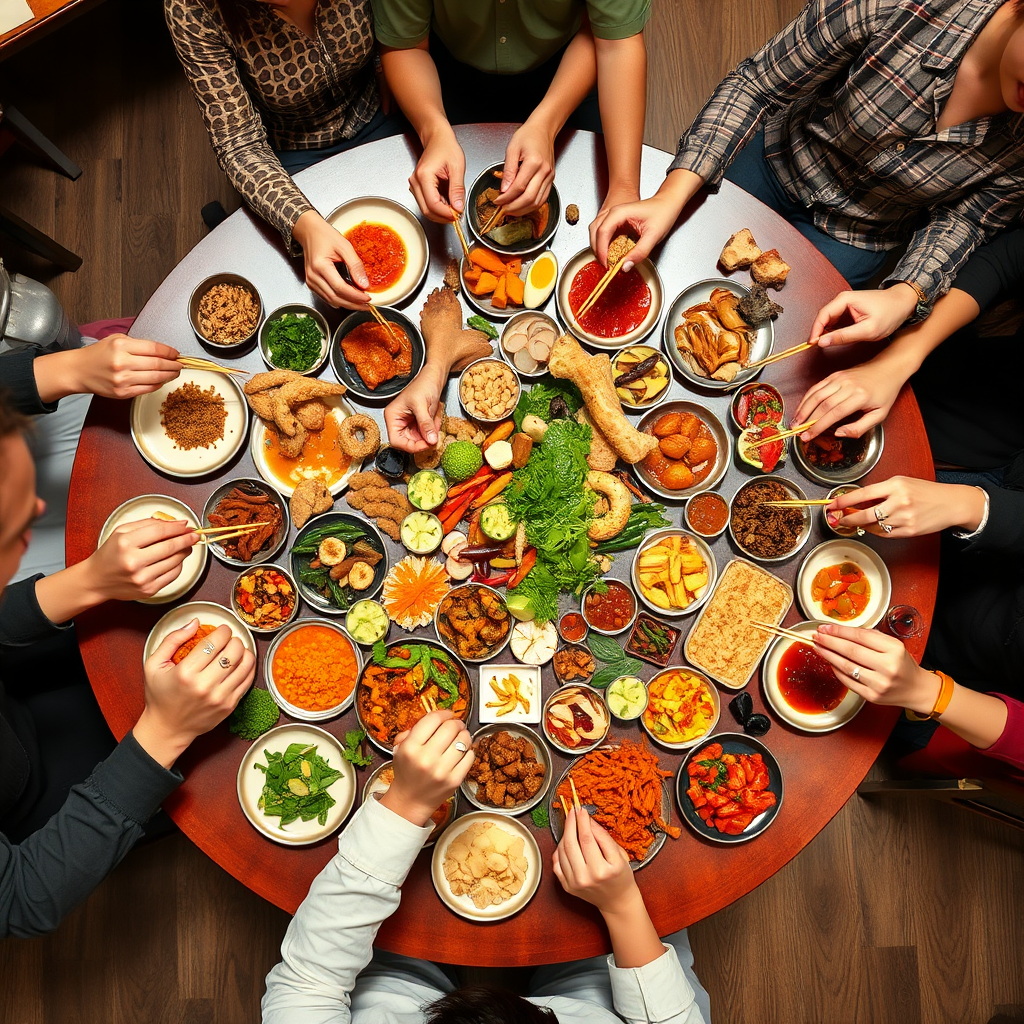
A Philosophy of Flavor
Chinese cuisine, with its millennia of history, is a world unto itself. It's a culinary tradition built on the philosophy of Yin and Yang, where balance is paramount. Food is not merely sustenance; it is a path to healing, harmony, and social connection. Join us as we explore ten fundamental elements that define this rich and diverse culinary landscape.
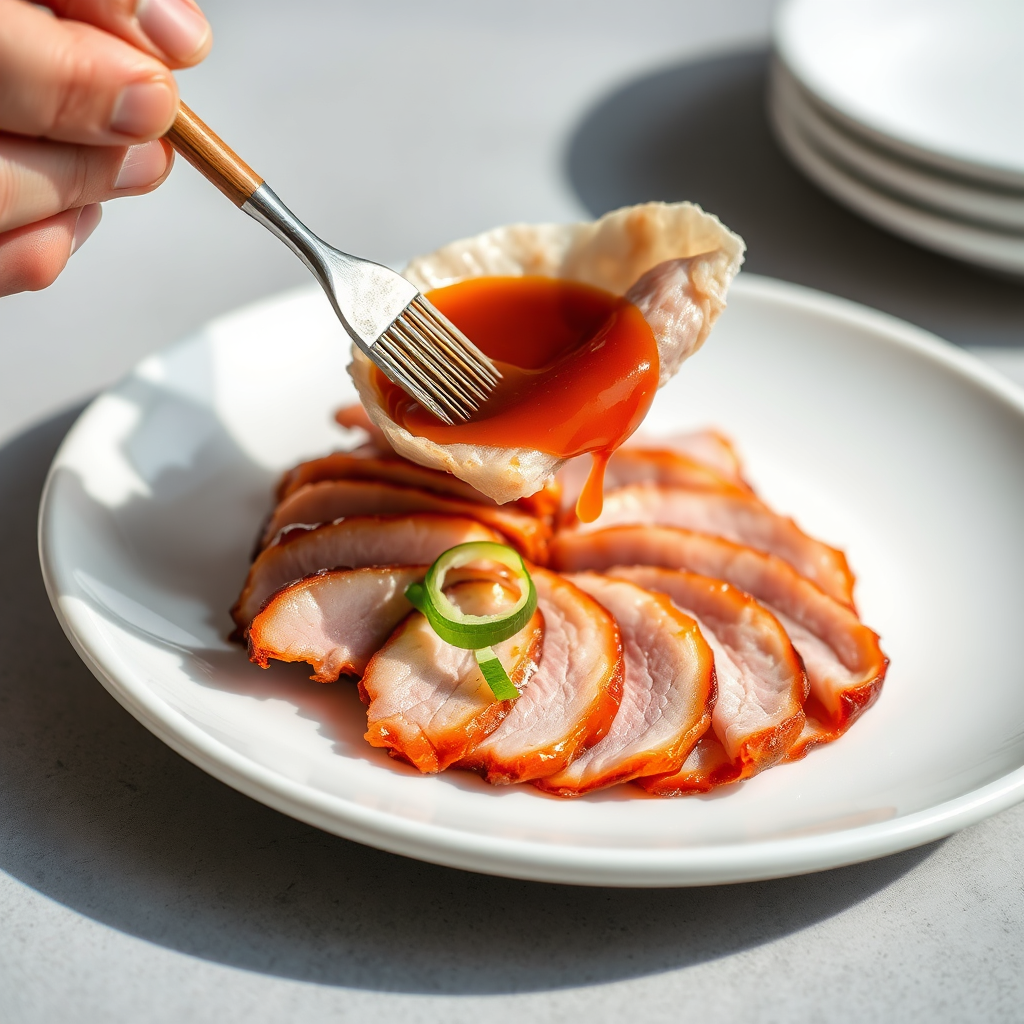
Peking Duck
An emblem of imperial Chinese cuisine, this prestigious dish descends from the royal courts. Its signature is the incredibly crisp skin, achieved through special roasting techniques. Served with thin mandarin pancakes, sweet Hoisin sauce, and fresh scallions, the balance between the crackling skin and tender meat is nothing short of perfection.
The Art of Dim Sum
Traditionally enjoyed for breakfast or brunch with tea (Yum Cha), Dim Sum are small, bite-sized portions served in bamboo steamers. These delicate dumplings, buns, and rolls are a symbol of a shared culinary experience.
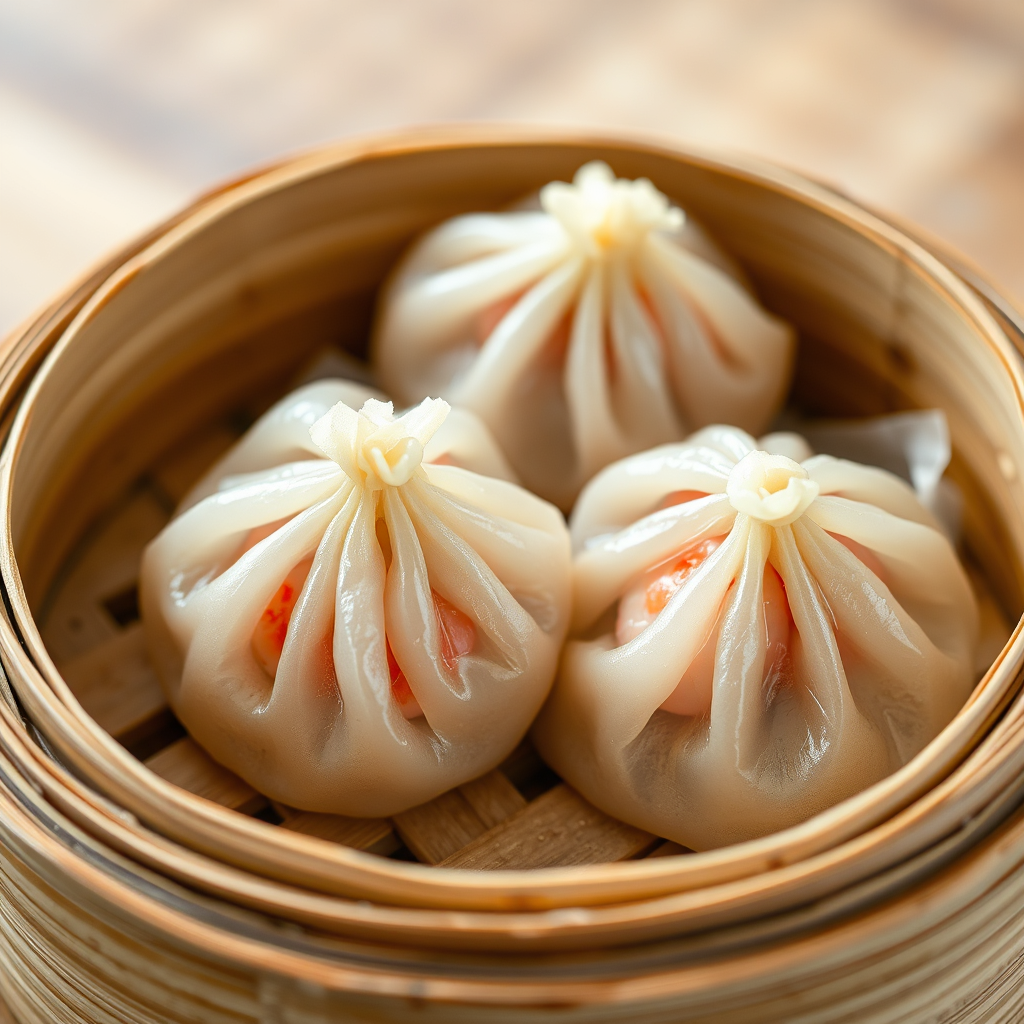
Har Gow
Translucent shrimp dumplings with a delicate, chewy wrapper. A true test of a Dim Sum chef's skill.
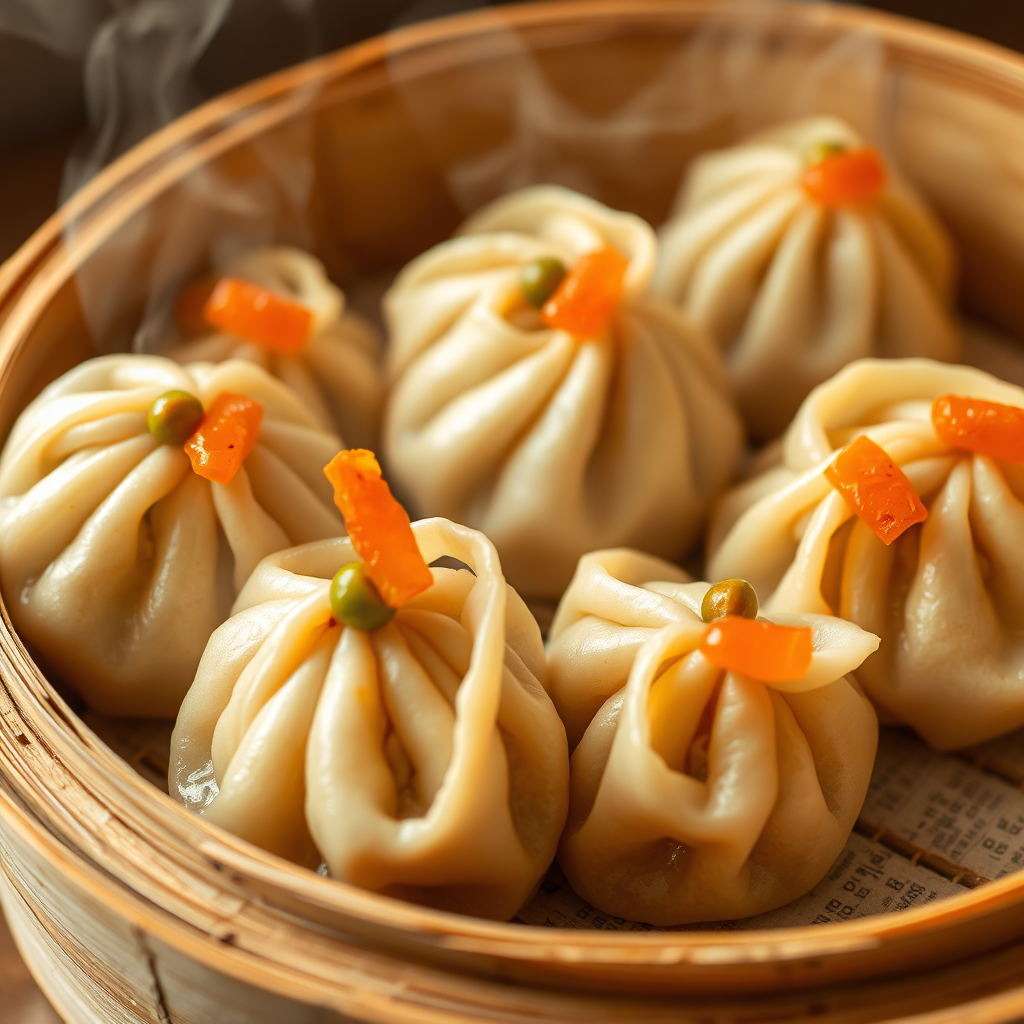
Siu Mai
Open-topped pork and shrimp dumplings, often garnished with crab roe, offering a rich and savory bite.
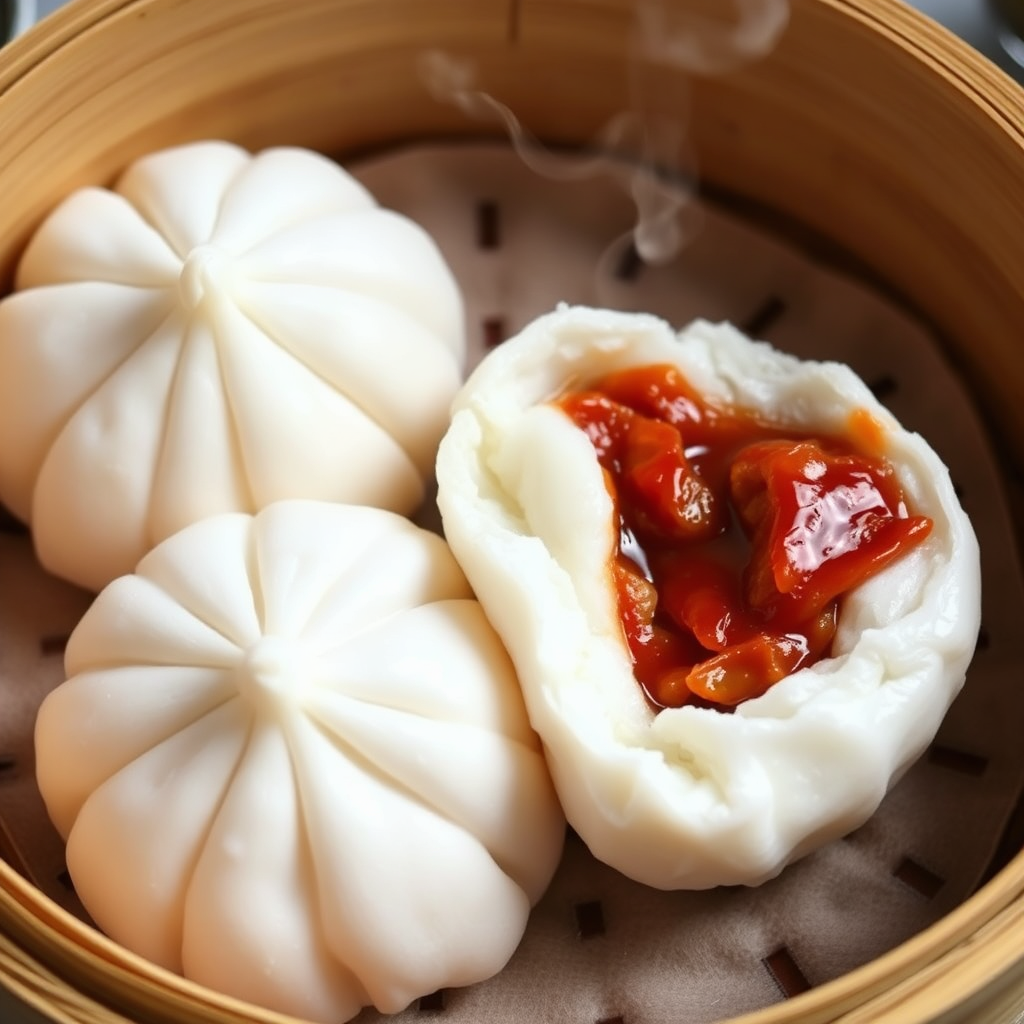
Char Siu Bao
Fluffy steamed buns filled with sweet and savory barbecue pork, a classic and beloved Dim Sum item.
Xiao Long Bao
Originating from Shanghai, this legendary dumpling contains both a meat filling and a burst of hot, savory soup. Prepared with a special steaming technique, it's considered the pinnacle of Chinese dumpling artistry. The experience of carefully biting the delicate wrapper to release the broth is unforgettable.
Kung Pao Chicken
A world-renowned dish from the Sichuan province, Kung Pao Chicken is a stir-fry of diced chicken, peanuts, chili peppers, and the signature Sichuan peppercorn. Cooked over high heat in a wok, its flavor profile is famously complex: savory, sweet, and with a unique numbing spiciness known as "málà".
Wok Hei: The Breath of the Wok
The soul of many Chinese stir-fried dishes. "Wok Hei" is the distinct, smoky, slightly charred aroma and flavor imparted by a searing hot wok. It's a complex taste that cannot be replicated, achieved only through the mastery of extreme heat, precise timing, and the seasoned breath of the wok itself.
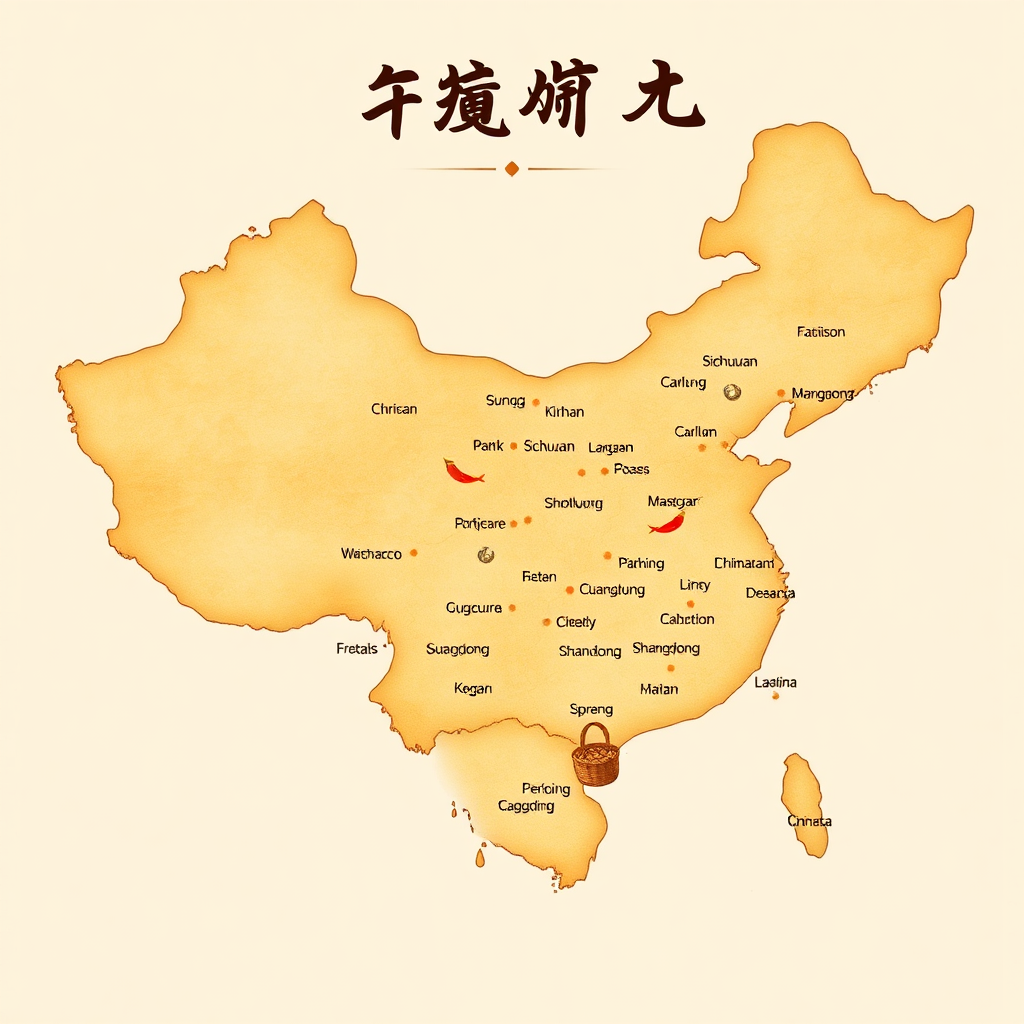
A Land of Flavor: The 8 Great Cuisines
Chinese cuisine is not monolithic. It's a vast tapestry woven from eight major regional styles, each shaped by its unique geography, climate, and culture.
More Essential Tastes
The journey continues with other quintessential dishes that have captured palates worldwide, from the fiery depths of Sichuan to the sweet and sour balance beloved by all.
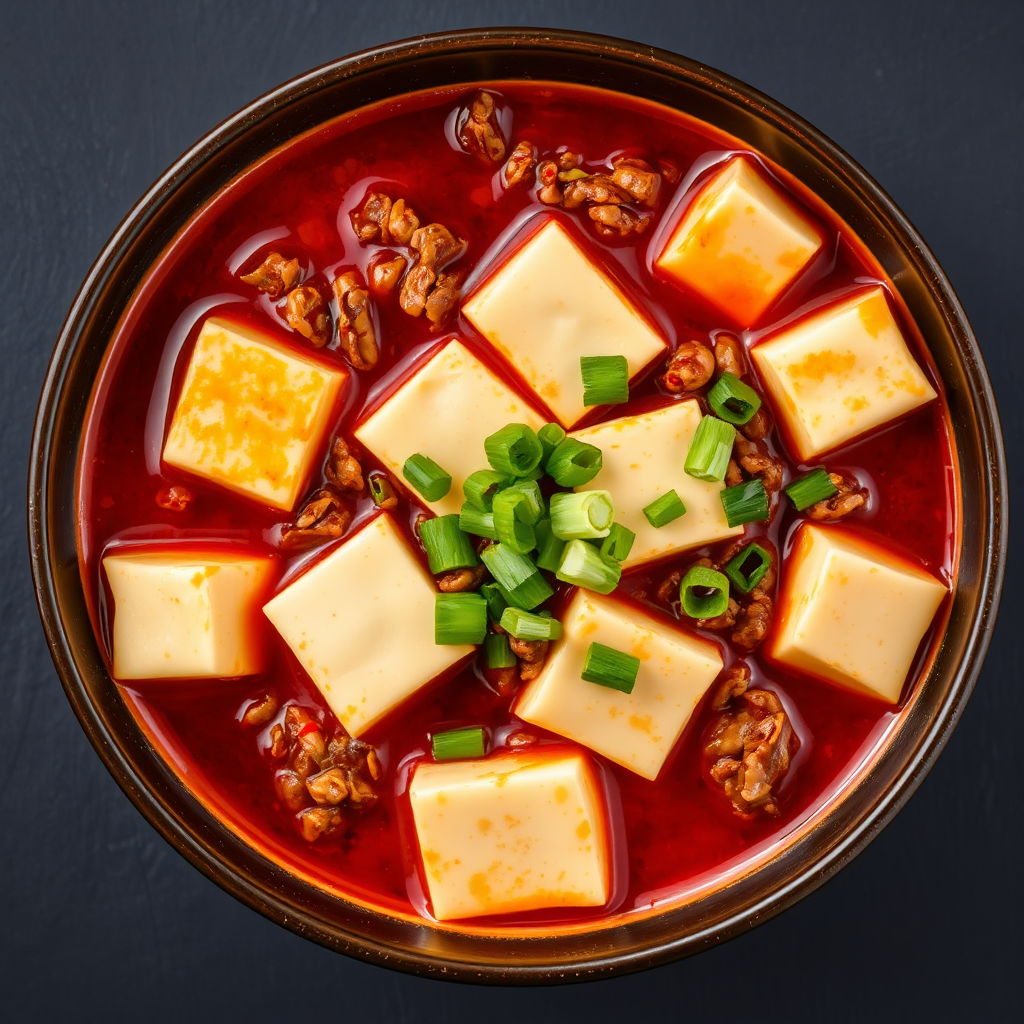
07. Mapo Tofu
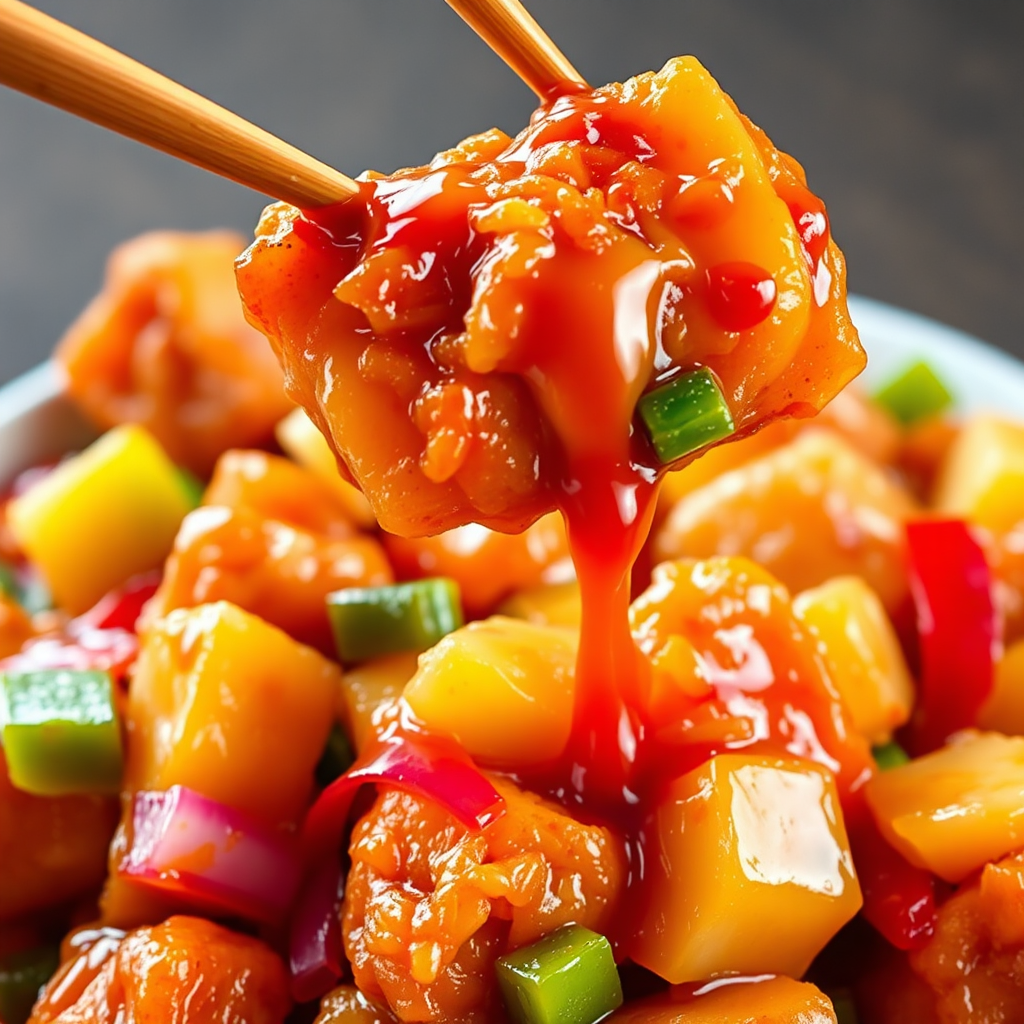
08. Sweet & Sour Pork
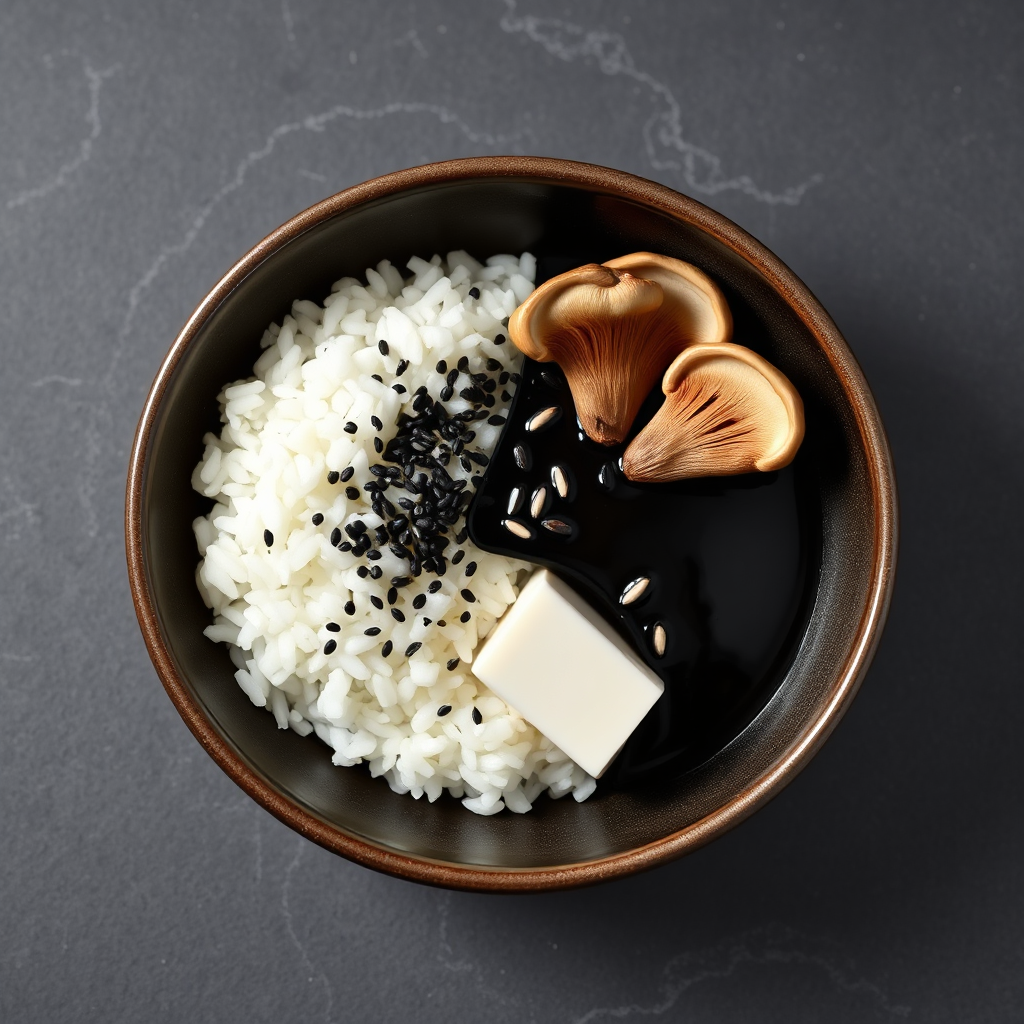
09. Yin & Yang
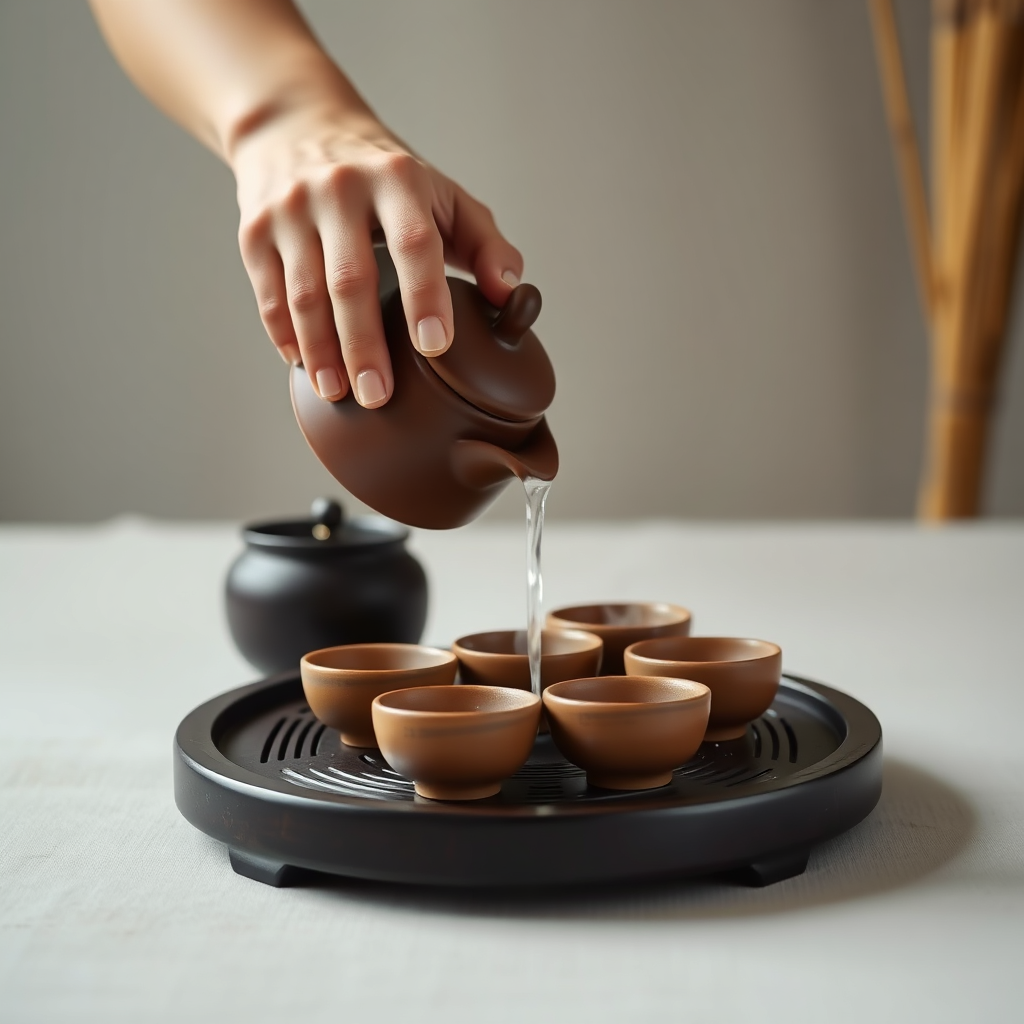
10. Tea Culture
Beyond the Plate
In China, a meal is never just about the food. It's an experience steeped in tradition, from the ever-present tea that aids digestion to the etiquette of using chopsticks.
- Tea is Essential: Green, Oolong, and Pu-erh teas are integral to the dining experience, cleansing the palate and balancing rich flavors.
- Chopstick Etiquette: Never stick chopsticks upright in a bowl of rice, as it resembles incense for the dead. Use the serving utensils to take food from communal plates.
- The Round Table: Large, round tables, often with a lazy Susan, symbolize family unity and the communal nature of sharing a meal.